Zara’s business model revolves around quickly responding to fashion trends and customer demand. Their “Just in Time” inventory system ensures that production is flexible and efficient, minimizing excess stock. They also produce limited quantities of items to create a sense of exclusivity and urgency.
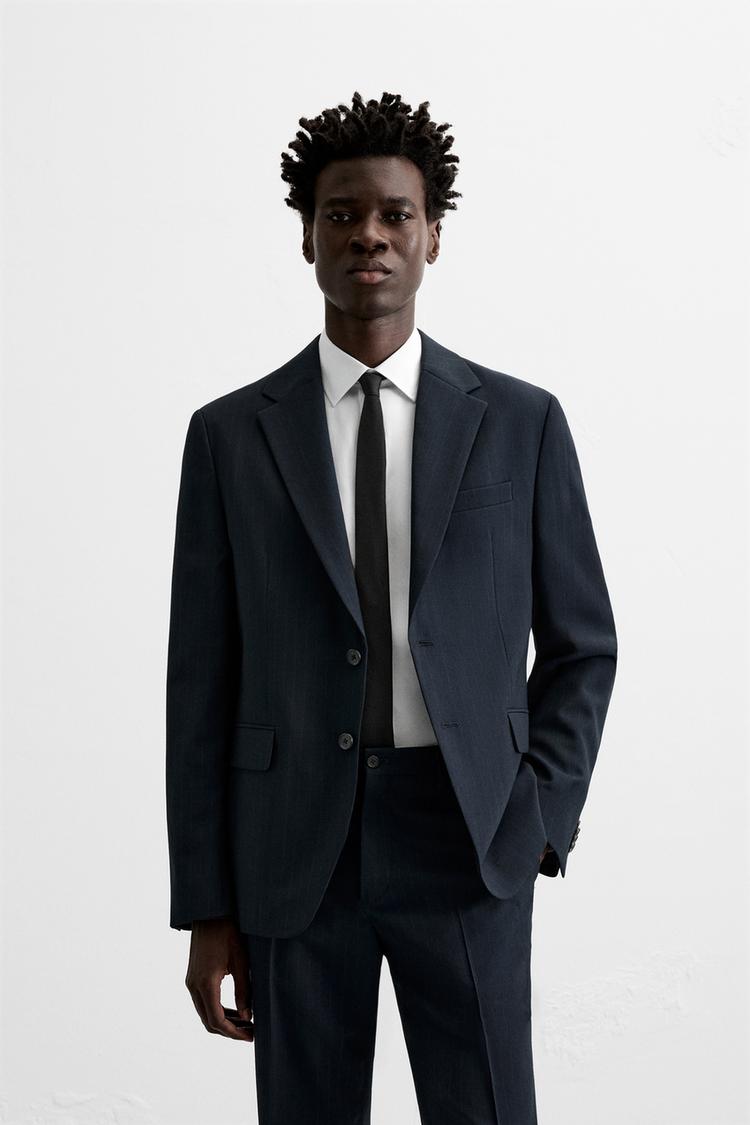
Zara is known for offering a wide range of clothing, from casual to formal wear, as well as shoes and accessories for men, women, and children. The brand frequently updates its collections, keeping them in tune with current trends while maintaining a relatively affordable price point compared to luxury brands.
Zara is continuing to invest heavily in digital transformation and improving its online shopping experience. With the rise of e-commerce, Zara is aiming to further integrate online and in-store experiences, using technology to better serve customers and streamline its supply chain.
As part of Inditex’s sustainability roadmap, Zara aims to reduce its environmental impact and increase its use of sustainable materials. The company is also working toward a circular economy model, where clothes are recycled or reused instead of ending up in landfills.